Getting started
How to read a star chart and find your way around the sky
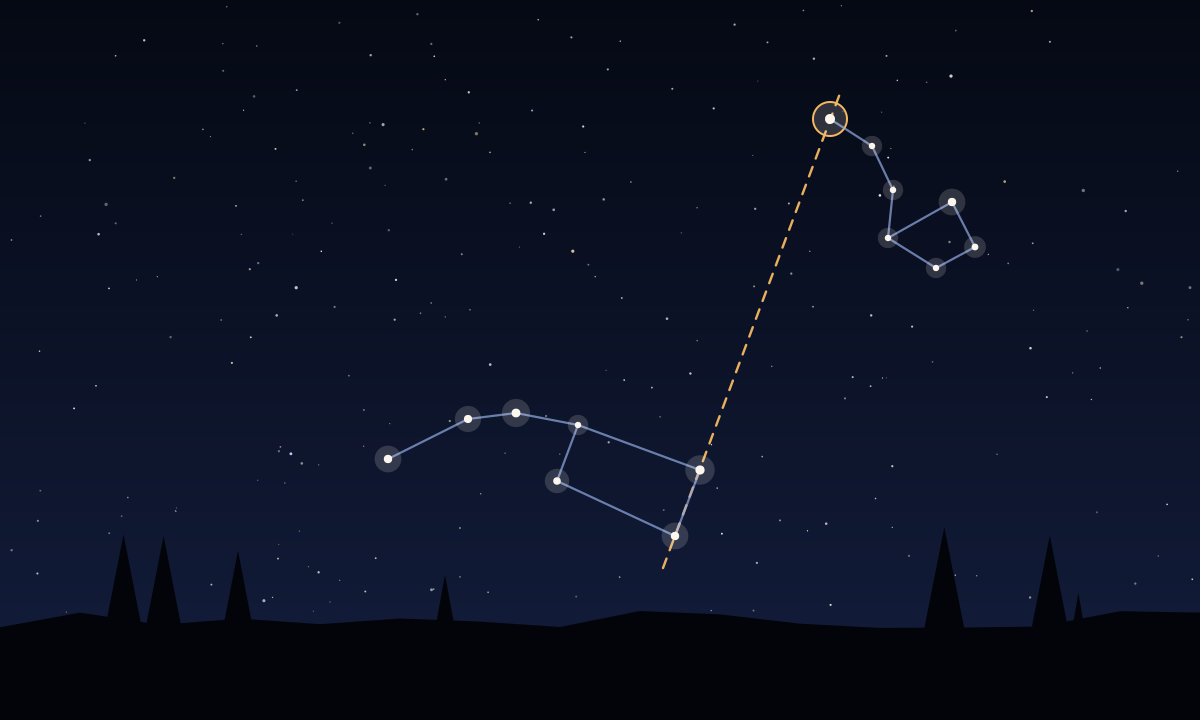
A star chart looks crowded at first, but three habits (holding it the right way up, measuring with your hand and hopping from bright stars) turn it into a dependable map.
Section
Every observer starts in the same place: outside, looking up, wondering which star is which. This section covers the skills that make everything else easier: reading a chart, judging distances on the sky, letting your eyes adapt to the dark and planning a comfortable, safe night out.
Nothing here requires equipment. Learn a few bright patterns well, and binoculars or a telescope will be far more rewarding when you come to use them.
Getting started
A star chart looks crowded at first, but three habits (holding it the right way up, measuring with your hand and hopping from bright stars) turn it into a dependable map.
Getting started
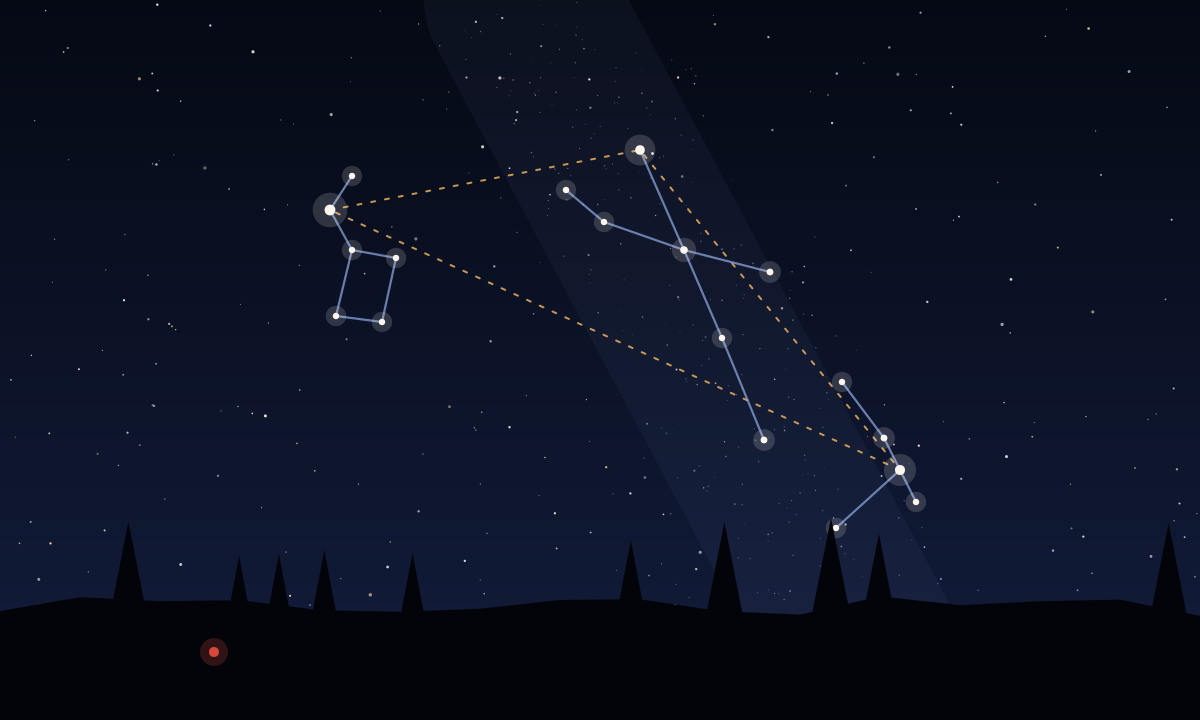
You need no equipment for a rewarding first session. A little planning, patient eyes and a warm coat matter far more than any instrument.
Binoculars and small telescopes explained plainly: how they work and how to use them safely.
The Moon and the planets: when to look, what to expect and how to stay safe near the Sun.
Star clusters, nebulae and galaxies, plus practical help with light pollution.