Binoculars for stargazing: why they make the best first instrument
Before you think about a telescope, look through binoculars. They show more than most people expect, they are simple to use and they teach you the sky.
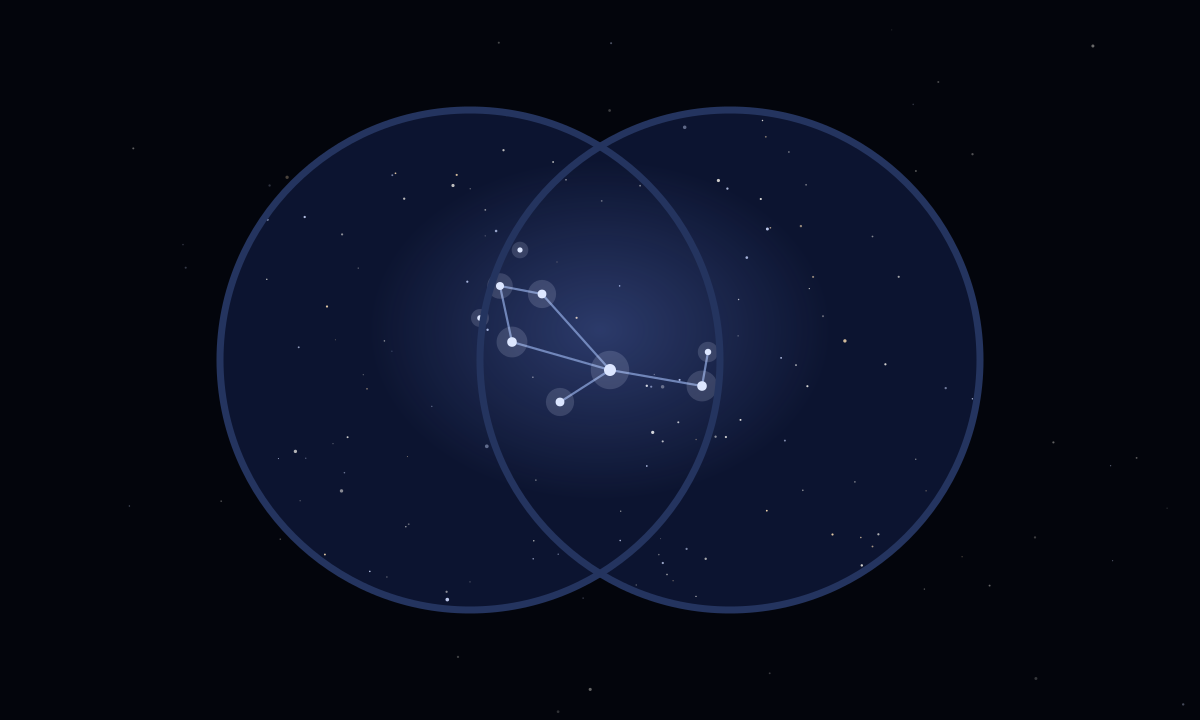
Binoculars are often treated as a stepping stone, yet many experienced observers keep a pair beside every telescope. They give a wide, upright, natural view, they use both eyes and they need no assembly or alignment. Above all, they help you learn where things are, the skill that makes any later telescope worthwhile.
Sun safety. Never point binoculars at or near the Sun. Sunlight concentrated by binoculars can cause permanent eye damage in an instant, and sunglasses or dark lenses do not protect you. Only certified solar filters made to fit securely over the front of each lens make solar viewing safe. As a beginner, keep binocular use to the night sky.
What the numbers mean
Every pair carries two numbers, such as 7x50 or 10x50. The first is the magnification; the second is the diameter of each front lens in millimetres. Larger lenses collect more light, which matters at night because most targets are faint.
Divide the lens diameter by the magnification and you get the exit pupil, the width of the beam of light leaving the eyepiece. A 7x50 pair has an exit pupil of about 7 mm, and a 10x50 pair about 5 mm. A dark-adapted young eye can open to roughly 7 mm, but this tends to shrink with age, so many adults make full use of a 5 mm beam. That is one reason 10x50 is a popular all-round size for astronomy.
Steadiness matters more than power
Higher magnification sounds attractive, but it also magnifies every tremor of your hands. Most people find anything above about 10x hard to hold steady for long. Try these simple fixes first:
- Lean against a wall, a car roof or a fence post.
- Sit in a chair with armrests, or lie back with your elbows supported.
- Hold the binoculars near the front lenses rather than the eyepieces to reduce wobble.
- Use a tripod adapter if your binoculars have a threaded socket, often hidden under a cap at the front of the hinge.
Focus correctly
Most binoculars have a central focus wheel and a separate adjustment, called the dioptre, on one eyepiece. Close the eye on the dioptre side and focus on a bright star with the central wheel. Then swap eyes and turn only the dioptre ring until the star is a sharp point. From then on, use the central wheel alone.
What you can see
Even a modest pair transforms the sky. These are worth trying over the course of a year:
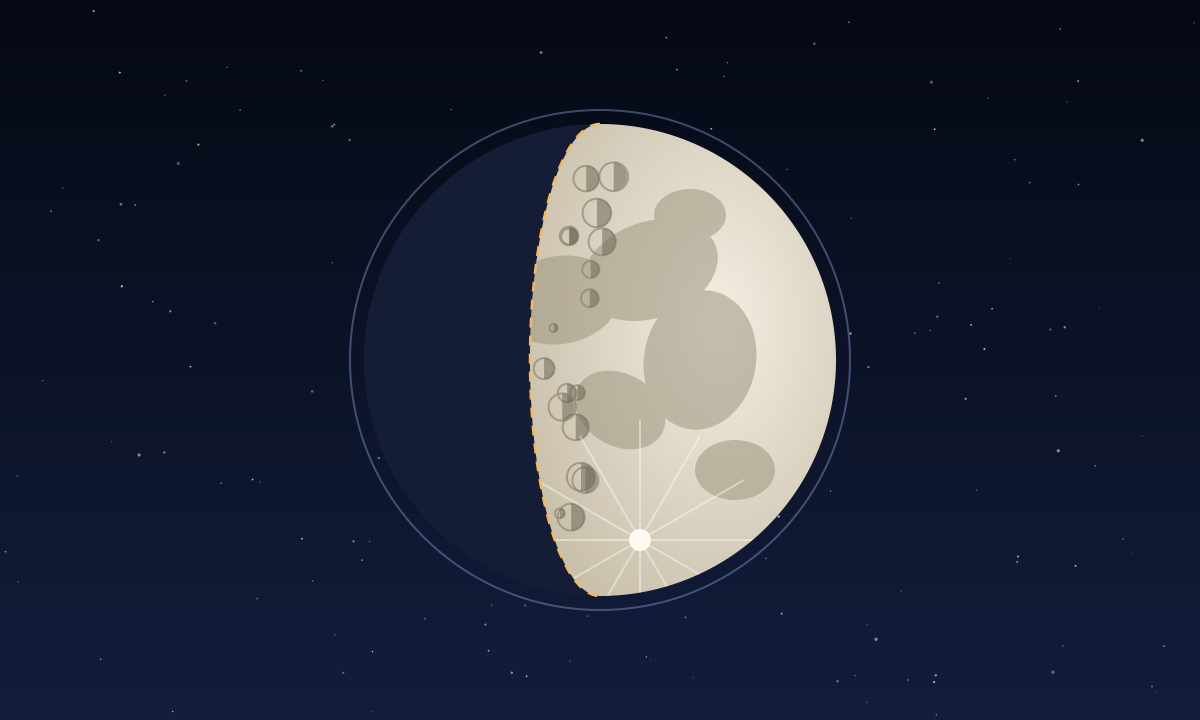
- The Moon: craters, mountain ranges and the dark plains called maria, especially along the line between light and shadow.
- Jupiter's four largest moons, tiny points of light in a line beside the planet when you brace the binoculars well.
- The Pleiades star cluster in Taurus, which turns from a small hazy group into dozens of sparkling stars.
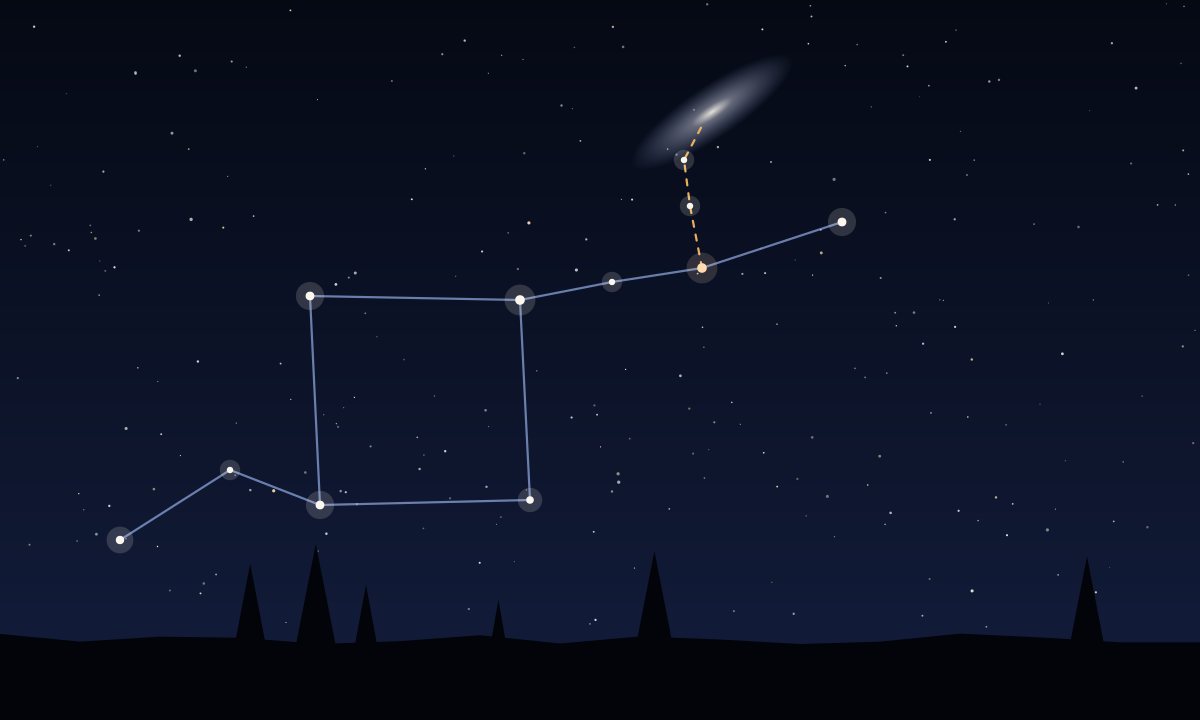
- The Andromeda Galaxy, an elongated glow and the most distant object most people can see without a telescope.
- Rich star fields along the Milky Way through Cygnus and Sagittarius on summer nights in the Northern Hemisphere.
Worked example: counting the Pleiades
On an autumn or winter evening in the Northern Hemisphere, find Orion's belt and follow its line upwards to the right, past the orange star Aldebaran, until you reach a small, tight group of stars. With the naked eye you may count six or seven. Raise the binoculars, focus and hold still for a full minute. Count again: with steady hands you will see many more, and notice their blue-white colour.
Common mistakes
- Choosing high magnification for its own sake and then fighting the shake.
- Expecting the colours and detail of photographs; most deep-sky objects look grey.
- Carrying binoculars from a warm room straight into the cold; give them time to adjust to avoid dewing.
Key points
- 7x50 and 10x50 binoculars suit astronomy well.
- Support your arms or use a tripod to tame shake.
- Never point binoculars anywhere near the Sun.